Why Instant Tea Plants Lose Soluble Solids Between Extraction and Drying
Instant tea plants do not usually lose soluble solids in one dramatic failure. Losses build quietly across the line: during wetting, extraction, separation, holding, concentration, and drying. By the time powder recovery is reviewed, the original cause may be hidden behind turbidity drift, evaporator fouling, dryer deposits, or cold-water solubility complaints.
For extraction managers, the issue is not only total yield. It is how much of the extracted tea liquor stays recoverable, pumpable, clear, and dryer-ready through a repeatable operating window.
TheaFlux supports instant tea processors as an enzyme supplier for tea extraction processing, with application guidance built around plant-floor constraints: residence time, temperature profile, liquor clarity, soluble solids recovery, and downstream dryer behavior.
The loss chain: where soluble solids disappear
Soluble solids can be lost before they ever reach the dryer feed tank. In most plants, the highest-value improvements come from mapping the loss chain, not simply increasing extraction severity.
1. Incomplete release from leaf structure
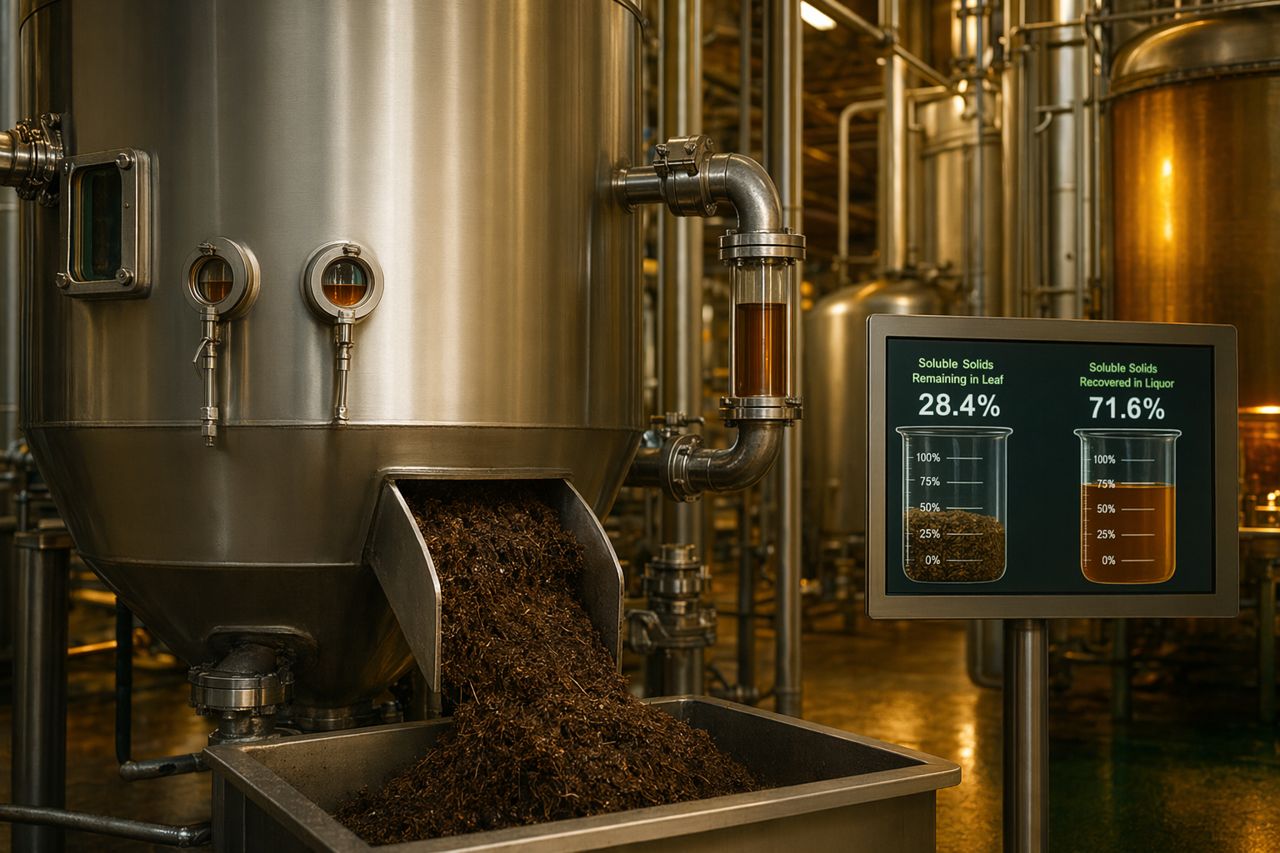
Tea leaf particles hold soluble components inside cell wall structures and bound colloidal material. If the leaf bed wets unevenly or the extraction window is too conservative, valuable extract remains trapped in spent leaf.
Common symptoms include:
- Higher-than-expected solids in spent tea leaf
- Variable first-stage extract strength
- More aggressive re-extraction needed to meet target solids
- Extended extraction time with limited additional recovery
Enzyme-supported extraction can help open botanical structure under controlled process conditions, improving soluble release without relying only on harsher heat or longer residence time.
2. Fine solids overload after extraction
More extraction is not always better if it creates a separation burden. Over-shearing, poor leaf size distribution, or unstable colloids can push more fines into the liquor. Those fines may carry soluble material with them when removed at clarification.
Watch for:
- Increased separator sludge volume
- Higher solids loss in decanter or centrifuge discharge
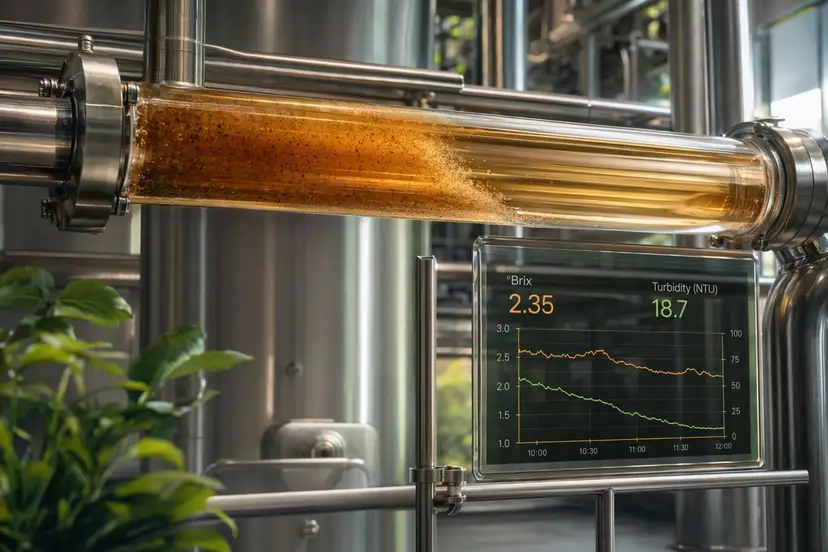
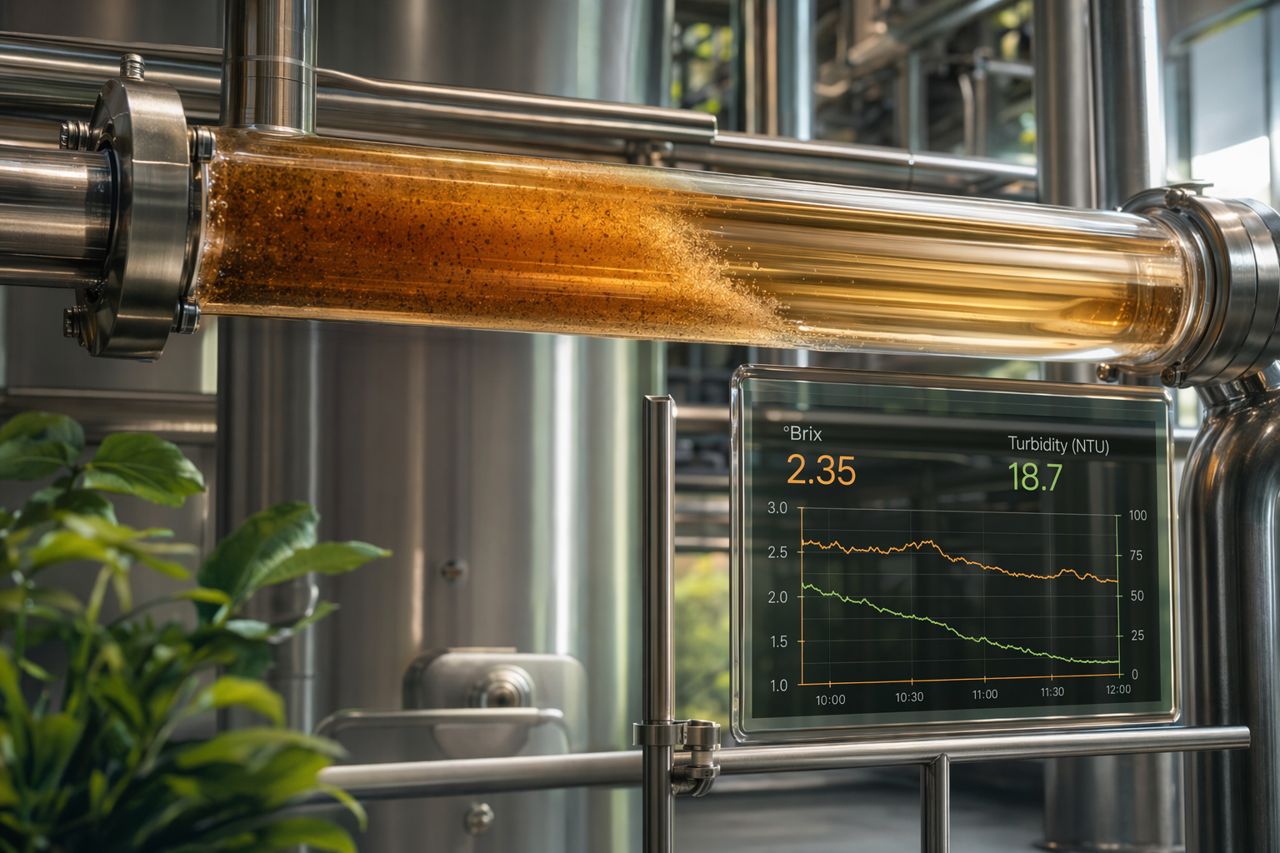
- Turbidity spikes after extraction stage changes
- Filter blinding during campaign changeovers
The target is not maximum disruption. The target is recoverable soluble solids with controlled insoluble carryover.
3. Haze formation and colloidal precipitation
Tea liquor is chemically active. Polyphenols, proteins, pectic fragments, minerals, and other colloids can associate as the liquor cools, concentrates, or sits in a hold tank. Once haze forms, the plant may remove it through filtration or clarification, taking soluble tea value with it.
This shows up as:
- Clear liquor leaving extraction, then clouding before evaporation
- Cold-water solubility failures after drying
- More frequent polish filtration
- Dark sediment or ring formation in holding vessels
Enzyme selection matters here. The right system is not simply about increasing extraction yield; it must also protect clarity and finished powder behavior.
4. Hold-time drift before concentration
Even a strong extraction run can lose value if the liquor waits too long before evaporation. Temperature drift, microbial control procedures, oxidation exposure, and pH movement can change how solids behave.
Operationally, this can create:
- Increasing turbidity over the shift
- Variable feed response into the evaporator
- Inconsistent dryer inlet solids
- Powder batches that do not dissolve the same way
A repeatable extraction window includes the hold step. If the liquor changes before concentration, the extraction data alone will not explain final powder yield.
5. Evaporator fouling and solids retention
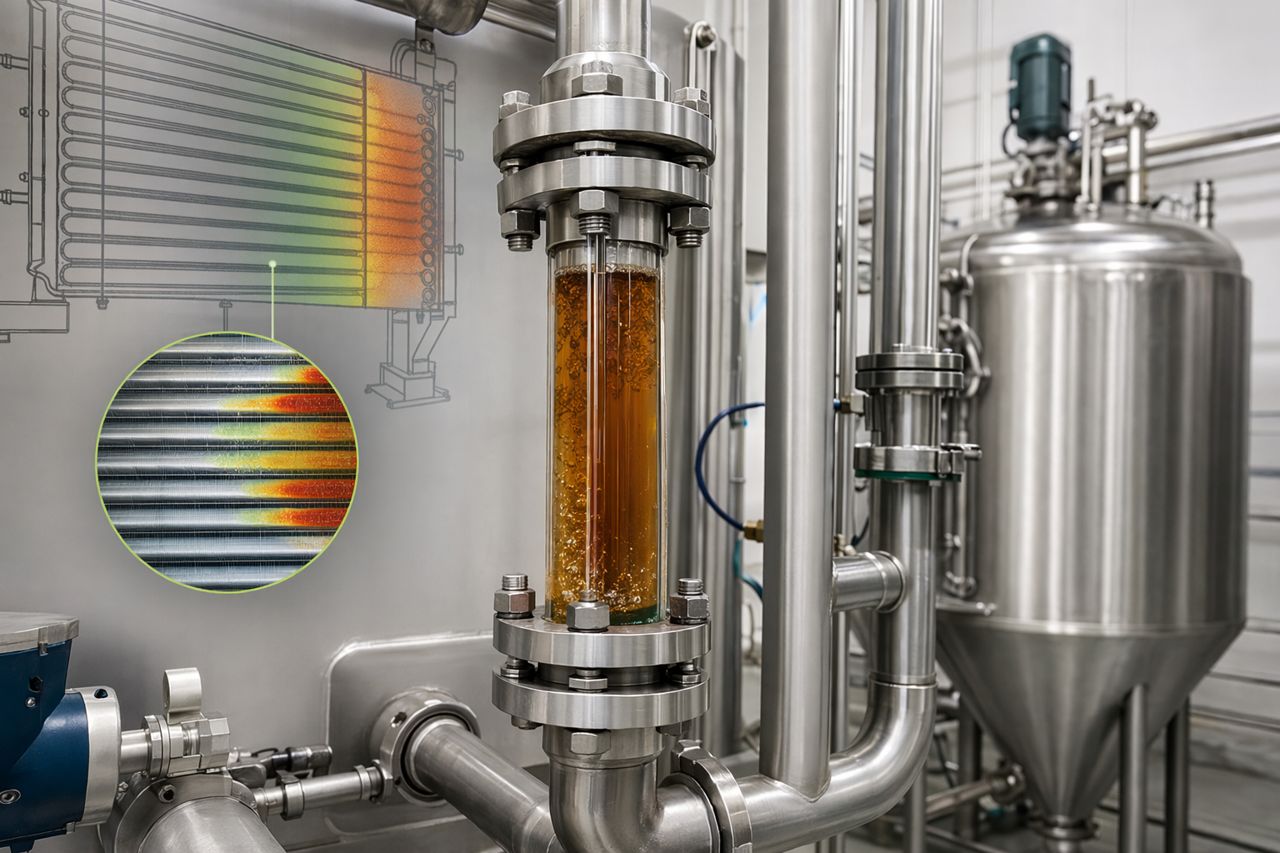
Evaporation concentrates both value and trouble. Any unstable colloids, fines, or poorly clarified components can deposit on heat-transfer surfaces. Fouling reduces efficiency and can hold back recoverable tea solids until cleaning.
Plant signs include:
- Shorter evaporator run length
- Rising temperature differential during the run
- More solids recovered in cleaning streams
- Feed-rate limitations before the dryer
Reducing fouling is often a yield project as much as a maintenance project. Less deposit formation means more soluble solids continue forward as controlled dryer feed.
6. Dryer wall build-up and powder recovery loss
Spray drying exposes tea liquor to rapid water removal. If feed viscosity, insoluble load, or colloidal stability is off target, solids can adhere to chamber walls or collect in less recoverable fractions.
Typical indicators:
- Increased chamber deposits
- Lower powder recovery at the same feed solids
- Darker deposits during long runs
- More variability in bulk density and instant solubility
Dryer performance is often decided upstream. Extraction and clarification quality determine whether the dryer receives a stable feed or a fouling-prone liquor.
Why pushing extraction harder can backfire
A common response to yield loss is to increase extraction severity. That may raise initial soluble solids, but it can also increase insoluble load, haze precursors, viscosity, and fouling risk.
The better question is: which solids are being recovered, and can the plant keep them through drying?
A controlled enzyme approach can help shift the extraction balance toward:
- Higher recoverable soluble solids
- Lower avoidable insoluble carryover
- More stable turbidity profile
- Improved cold-water solubility potential
- Reduced filtration and evaporator burden
- More consistent dryer feed behavior
The goal is not to make the process more complicated. It is to make the extraction window easier to hold.
What to measure across the line
To find soluble solids loss, connect the mass balance from spent leaf to final powder. Avoid looking at extraction tanks in isolation.
Useful plant checkpoints include:
- Solids remaining in spent leaf after extraction
- Extract liquor strength after each stage
- Turbidity before and after clarification
- Sludge or reject solids from separators and filters
- Hold-tank clarity over time
- Evaporator run length and cleaning losses
- Dryer feed consistency and chamber deposit rate
- Finished powder recovery and cold-water solubility
When these data points are reviewed together, the loss pattern usually becomes visible. Some plants are extraction-limited. Others are separation-limited. Many are losing value because liquor quality changes between extraction and drying.
Where TheaFlux fits in the process
TheaFlux helps instant tea processors evaluate enzyme-supported extraction with downstream performance in mind. We focus on the full production path, not only the extraction vessel.
Our application discussions typically cover:
- Tea type and raw material variability
- Extraction temperature and residence-time window
- Liquor-to-leaf ratio and staged extraction design
- Target °Brix and turbidity profile
- Clarification method and reject stream behavior
- Evaporator fouling constraints
- Spray dryer feed requirements
- Finished powder clarity and cold-water solubility targets
This is especially important when a plant is trying to increase yield without creating new problems in filtration, evaporation, or drying.
Practical improvement paths
A well-run soluble solids recovery project should be staged. Start with the loss map, then adjust the process.
Step 1: Define the current loss point
Confirm whether solids are being left in leaf, removed in clarification, deposited in concentration, or lost in drying. Each pattern calls for a different intervention.
Step 2: Protect liquor quality
Recovery is only valuable if the liquor remains stable. Track turbidity, viscosity behavior, and hold-time changes alongside yield.
Step 3: Trial enzyme support inside the real window
Enzyme selection should match existing plant constraints. The best solution works within practical temperature, residence time, and cleaning schedules.
Step 4: Validate downstream effects
Do not stop at extracted solids. Confirm separator load, evaporator behavior, dryer recovery, and finished powder solubility.
Step 5: Standardize the operating window
Once the target response is confirmed, lock in the feed preparation, dosing point, contact time, and monitoring plan so the improvement survives raw material variation.
The core takeaway
Soluble solids losses between extraction and drying are often the result of unstable liquor quality, not a single extraction shortfall. The plants that improve recovery most reliably are the ones that connect extraction yield with clarity, cold-water solubility, fouling control, and dryer feed consistency.
If your instant tea line is leaving value in spent leaf, reject streams, evaporator deposits, or dryer build-up, TheaFlux can help review the process window and recommend an enzyme-supported approach for recoverable yield.
Request a quote
Planning an extraction improvement trial or comparing enzyme options for instant tea production? Share your process goals, tea type, and current bottleneck through the on-site request a quote form. TheaFlux will respond with a practical supply and application discussion for your plant.